Short answer: A pre-shipment toy inspection in Shantou should check five things: carton and quantity count, product appearance against the approved sample, function and safety tests on random units, packaging and labelling, and loading condition. Do it when 80–100% of the order is packed, using an agreed AQL sampling plan, and take photos for every point.
Most quality disputes in toy imports are not about “bad factories”. They happen because nobody wrote down what “good” means before production started. This checklist is the one we use as a Shantou trading company when we prepare orders for overseas wholesale buyers. It works for dolls, plush, RC cars, squishy toys, pretend-play sets and most other categories we ship. For the full import workflow, see our guide to importing toys from China.
There are three useful moments. Pre-production: confirm the approved sample, packaging artwork and test requirements. During production: a quick check once the first batch comes off the line catches repeated defects early. Pre-shipment: the final random inspection, done when the goods are packed and before the balance payment and container booking. Our normal production time is 25–45 days, so build 1–2 days for the final inspection into your schedule.
| Area | What the inspector checks | Typical defect |
|---|---|---|
| Quantity and cartons | Total cartons, pcs per carton, carton marks, carton weight and size | Short count, wrong assortment ratio |
| Appearance | Colour, print, stitching, paint, moulding against the approved sample | Colour shade drift, loose threads, flash on vinyl |
| Function | Batteries, lights, sound, wheels, remote range, moving parts | Dead units, weak motors, loose battery doors |
| Safety | Small parts, sharp edges, seam strength, battery compartment screws | Detached eyes or accessories, exposed edges |
| Packaging | Box print, barcode, window film, blister seal, polybag warning | Crushed boxes, wrong barcode, missing warnings |
| Labelling | Age grading, importer or Responsible Person details, country marks, CE or UKCA marks where required | Missing or incorrect market labels |
| Loading | Carton condition, stacking, container cleanliness, seal number | Wet or crushed cartons |
Most buyers use AQL (Acceptable Quality Limit) sampling. A common setup is General Inspection Level II, with tighter limits for critical and major defects than for minor ones. Critical defects, such as a safety hazard, should have zero tolerance. Agree the AQL in writing before production. Ask your supplier or inspection company for the exact sample size table that applies to your order quantity; do not guess it.
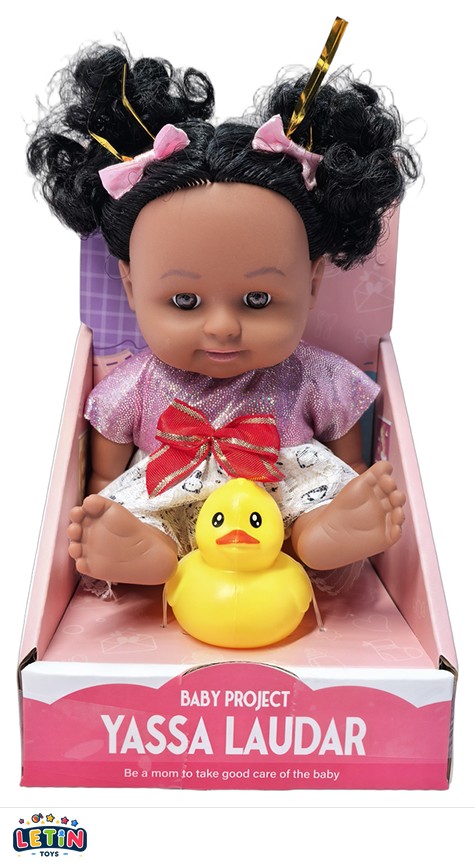
Dolls and plush. Pull-test eyes, noses and accessories, check seam strength, look for stray needles or metal, and confirm stuffing is clean and evenly filled. See our dolls and plush range for the typical items involved.
RC and battery-operated toys. Test every sampled unit with fresh batteries, check the remote range and the charging cable, and make sure battery compartments need a screwdriver to open on toys for young children. Browse RC vehicle toys for typical specifications.
Squishy toys. Check rebound, surface stickiness, odour and print quality. Squeeze-test for splitting and look at colour consistency between batches. More in our squishy toys category.
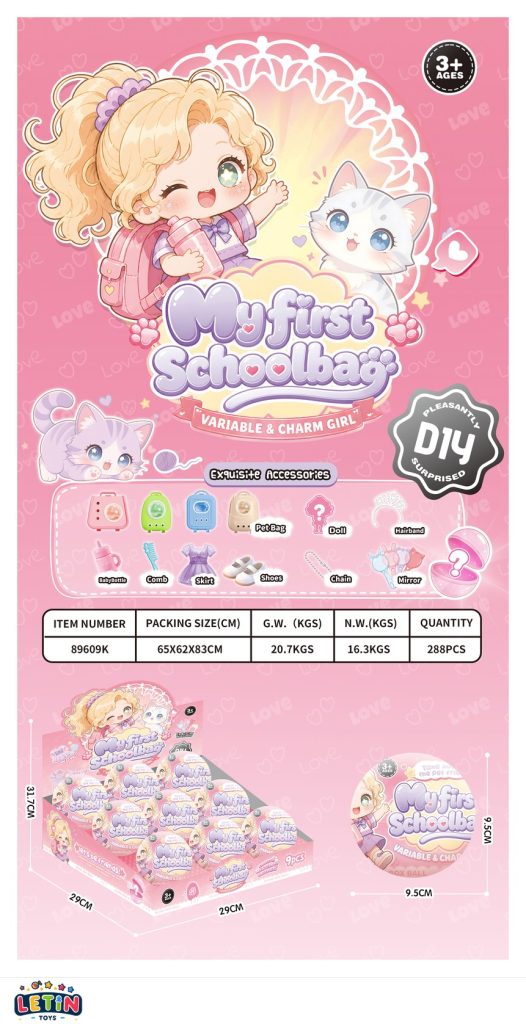
Pretend-play sets. Count every piece against the packing list, since missing accessories are the most common complaint. See pretend-play toys.
An inspector looks at finished goods; a laboratory tests materials and construction against a standard. EN71, ASTM F963, CPC, UKCA, INMETRO and NOM requirements depend on your destination; test reports are requested from the partner factory once the order is confirmed. Inspection does not replace testing, and testing does not replace inspection. Read our toy safety certification by country guide to see which applies to your market.
First, agree on the defects with photos. Second, decide between rework, sorting out the bad units, or a price adjustment. Third, schedule a re-inspection before shipping. Because we are a trading company working with Shantou factories rather than a factory ourselves, we coordinate rework directly with the workshop and report back with updated photos. For how the three supplier types differ, read trading company vs factory vs sourcing agent.
Include: the approved sample reference, AQL level, list of must-check functions, required labels and warnings, carton marking instructions, and the date you expect the goods to be ready. Anything not in the brief is open to interpretation. Timing, MOQ and cost vary by item, so treat all figures as indicative and confirm them in your quotation. See also Shantou MOQ, CBM and lead times.
Not always. New suppliers, first orders and high-value or safety-sensitive items benefit most. For repeat orders with a stable supplier, photo and video checks from your trading partner may be enough.
When at least 80% of the goods are packed, ideally 100%, and before the balance payment is released.
Yes, we can run a pre-shipment check and send photos and a report, or arrange access for your own inspector. Independent inspection is a good option if you want an unbiased view.
They are reworked, replaced or removed from the shipment, depending on what you agree. Always settle this before production begins.
Ready to plan your next order? Request a quote and we will reply within 1 business day.
Items, quantities, your destination market and the packaging you have in mind. A specialist replies with pricing, carton data and lead times, usually within one business day.